
Investing in bartenders and creating stages for independent artists, Jack Daniel’s 2026 activity in Nigeria points to a broader approach to culture
Walk into a small Lagos venue on a Friday night, scroll through Audiomack, or spend enough time on Instagram, and you will find artists building audiences without the machinery that traditionally comes with a record deal. The music is there, the ambition is there, and the audience is increasingly there too. What is harder to find is the infrastructure that helps talent move from promising to sustainable.
Nigeria’s creative economy continues to attract global attention, but the systems supporting the people within it have not always kept pace. A 2026 report by NECLive and Frontyard, drawing on the experiences of 377 creative professionals across eight sectors, identifies unreliable infrastructure, payment inefficiencies, financing constraints and gaps in professional training as structural challenges affecting the sector’s growth.
This is where the conversation around brand participation in culture gets interesting. A brand can show up at an event, put its logo on the backdrop and sponsor a performance. Or it can ask a different question: what does this community actually need to keep moving? That shift, from being present in culture to contributing to the ecosystem around it, is the more compelling play.
This year, Jack Daniel’s has been exploring that approach in Nigeria through a series of initiatives across hospitality and music. We have been part of that work, helping bring these initiatives to life, shaping the stories around them and connecting them with the right audiences. What follows is a look at what the brand has done and what it points to.
Before the Stage, There Was the Craft
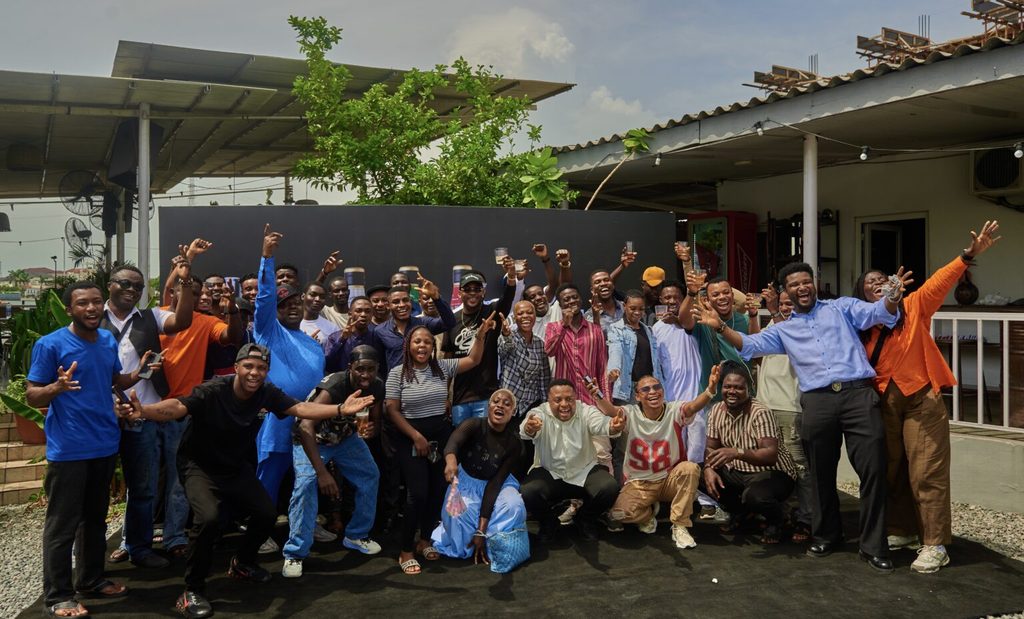
In May, Jack Daniel’s brought together roughly 30 Lagos bartenders at Lighthouse Lekki for a professional session focused on craft, product knowledge and creativity. The room brought together established industry professionals and emerging mixologists; people who spend their nights shaping how Lagos experiences hospitality, one drink at a time.
The brand’s ambassador walked participants through guided tastings across Old No. 7, Tennessee Fire, Tennessee Honey and Tennessee Apple, unpacking the Lincoln County Process and the role charcoal mellowing plays in the character of Jack Daniel’s Tennessee Whiskey. But the evening’s real energy came from the creative reinterpretation challenge, where bartenders brought their own perspective to the brand’s products, riffing, experimenting, and making them their own.
That distinction matters. Jack Daniel’s did not show up to lecture a room full of professionals. It engaged them as peers with their own expertise. In an industry where bartenders are often treated as service staff rather than craftspeople, that kind of recognition carries weight. It also set the tone for what came next.
Then Came the Stage
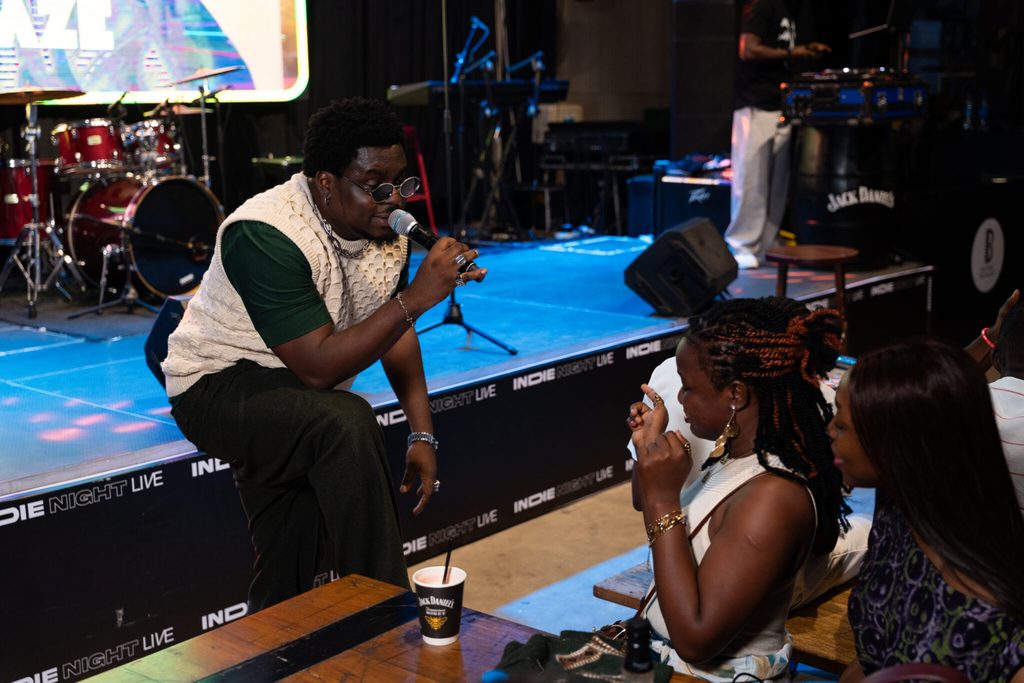
In August, Jack Daniel’s partnered with Afrovibes Africa to power Indie Nights Live, a monthly live music series built around independent Nigerian artists. Across its first two editions, the series has featured artists including Lil Qhuid, JDess, Coblaze, Lodù and Akator, giving them a proper stage, professional production and a real audience.
The impact extends well beyond those nights. JDess recently released ALA, a seven-track EP featuring The Cavemen, Waje and Zoro. Lodù dropped her debut EP, Wine & Honey, after her breakout single “Olówó Orími,” spent several weeks on the Nigeria Top 50 chart. These are artists whose careers are moving. The platform was a part of the journey, not the whole of it.
There is a clear thread connecting these initiatives to Jack Daniel’s long-standing association with independence. As Funmi Abimbola, Senior Brand Manager, put it: the partnership creates space for artists who have built their audiences on their own terms. In these communities, independence means creating without waiting for traditional gatekeepers, whether that is an artist building a following from scratch or a bartender developing a career through craft rather than credentials.
The Bigger Cultural Ecosystem
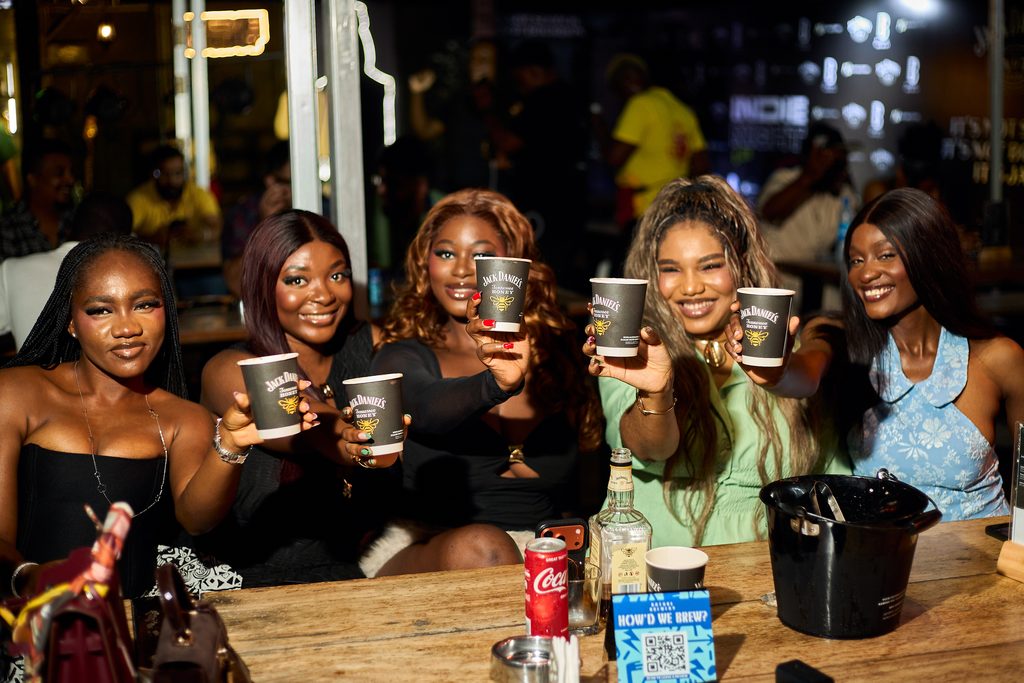
Music and hospitality may seem like separate categories, but in Lagos they constantly intersect. The bar becomes the venue, the venue becomes the stage, the bartender becomes part of the experience, and the audience moves among them all. Culture does not live in neat marketing verticals, and a brand that shows up across these spaces connects with the ecosystem rather than simply appearing around it.
Cultural partnerships are often measured by attendance, impressions, content reach and social conversation. Those metrics matter, but the deeper value lies in what an initiative makes possible for the people involved. A bartender gets access to professional training. An emerging mixologist receives mentorship. An independent artist gets a professionally produced stage. The audience gets introduced to new talent. And with a recurring platform like Indie Nights Live, with more editions and new artists to come, those doors open again and again.
None of this, on its own, solves the structural challenges facing Nigeria’s creative economy. But it contributes to the ecosystem in practical ways, and that is a useful way for brands to think about cultural relevance: by creating opportunities that have value beyond the moment.
From a wider industry perspective, the bigger opportunity is in what this kind of investment can normalise: more professionally produced stages for emerging talent, stronger links between brands and creative communities, and a healthier pipeline that does not depend on a handful of gatekeepers deciding who gets through. The question is no longer just who gets a slot at the next event, but what becomes possible when more people have access to the spaces, networks and audiences they need to keep building.
The next generation of Nigerian artists are already here. What many of them need is not another person telling them the future is theirs. They need access to the rooms where that future can begin to take shape. That is what makes initiatives like these worth paying attention to, and what makes Jack Daniel’s approach in Nigeria worth watching.