
On credibility, shared experience, and why we still deploy radio for high-stakes PR
There’s a scene that plays out in Lagos every morning: Keke riders threading through traffic, radio voices filling the space between horn blasts. Wazobia FM. Nigeria Info. Beat FM. Not background noise but active listening. People calling in, arguing, laughing, participating in real time. This isn’t nostalgia; it’s a current reality that digital metrics consistently fail to capture.
At times, it appears that the Public Relations profession has developed amnesia about radio, seduced by the measurability of digital media. Impressions, reach, engagement percentages: these metrics are intoxicating because they’re quantifiable. But they measure reach, not resonance; and in an age where algorithms curate reality, that distinction has become critical.
Understanding why requires understanding how algorithmic optimization actually works. Social platforms don’t show you content because it’s important or true. They show you content that maximizes engagement, because engagement drives ad revenue. The algorithm learns your patterns: what makes you pause, what makes you click, what keeps you scrolling.
Then it feeds you more of that, creating increasingly narrow channels of information. You see content about Lagos real estate because you previously searched for it. I see content about Chelsea Football Club because that’s my search history. We’re both online, both “informed,” but we’re not seeing the same world.
This fragmentation is profitable for platforms but catastrophic for trust-building, which requires common ground. When every feed is personalized, there’s no shared baseline for reality. No common reference points, no collective conversation. Just millions of individual content streams optimized for individual retention.
Radio operates on fundamentally different logic. When you tune into a station, you hear the same broadcast as everyone else who is tuned in. The same news bulletin, same interview, and the same caller from Surulere explaining how fuel prices affect their business. The Keke rider and the executive, both stuck in the same traffic, process the same information simultaneously. Radio creates a shared context that algorithmic personalization actively dismantles.
This structural difference is not accidental, and it is why radio became the dominant medium for public persuasion in the 20th century. When Edward Bernays needed to shift public opinion in the 1920s and 30s, he understood that print could inform, but radio could persuade through intimacy and reach combined.
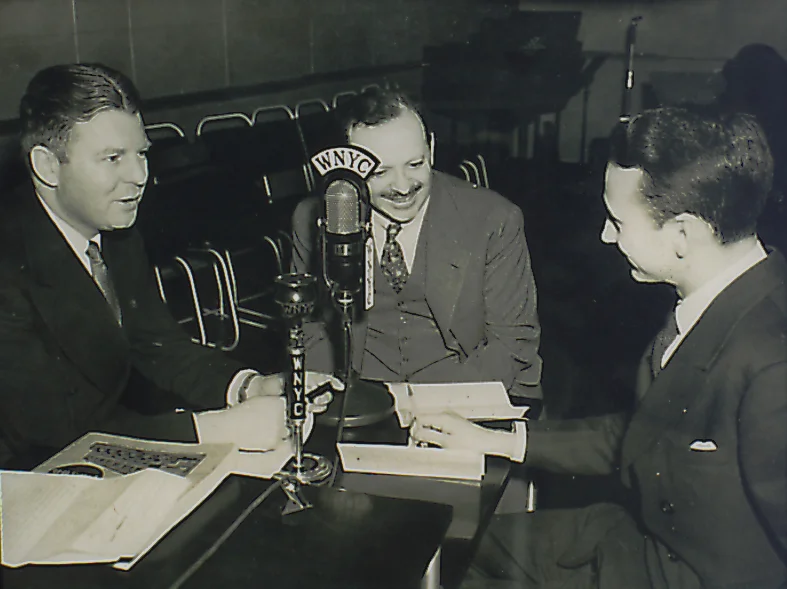
Franklin D. Roosevelt grasped this instinctively. His fireside chats weren’t just presidential addresses; they were exercises in building parasocial trust on a national scale. By speaking conversationally into microphones, FDR created the illusion of personal connection while simultaneously creating a shared national experience. Millions of Americans heard the same words simultaneously, creating a shared understanding that no newspaper could replicate.
Nigeria’s leaders understood this during the First Republic. Radio wasn’t just broadcasting; it was nation-building. Politicians sat for interviews that entire households gathered around. Policy debates happened on air in languages reflecting Nigeria’s linguistic diversity, creating civic spaces that transcended ethnic and regional divisions. The Nigerian Broadcasting Corporation became a public sphere in which national identity was collectively performed and contested.
That infrastructure of trust still exists, which is precisely why radio’s value hasn’t diminished in the algorithm age. It’s clarified. In 2026, we’re navigating a landscape where AI can generate credible-seeming content at scale and institutional trust is at historic lows. When anyone can produce a convincing article, video, or social media campaign, credibility becomes the scarcest resource. Radio provides something that algorithmic platforms structurally cannot: institutional accountability.
Broadcast licenses aren’t granted casually. They’re regulated, monitored, and tied to legal frameworks that create reputational stakes. A radio station that consistently spreads misinformation loses credibility that took decades to build. An algorithm that spreads misinformation just adjusts its parameters. The accountability mechanisms are completely different, and audiences intuitively understand this distinction even if they can’t articulate it.
This is why we continue deploying radio for high-stakes communications. When we needed to establish Sycamore’s SEC licensing credibility, digital platforms gave us reach. But radio gave us legitimacy. Financial services regulation isn’t naturally compelling content, yet radio’s format demanded clarity. We had to distill complex regulatory value into conversational language that conveyed its meaning through voice alone. More importantly, the radio placed that message within the flow of news, market analysis, and expert commentary. Context that signaled seriousness in ways algorithmically targeted ads couldn’t replicate.

Similarly, communicating the cultural significance of Osamede, a film exploring Benin Kingdom heritage, required reaching audiences who engage with history and identity through conversation rather than through social media. Radio provided access to listeners encountered during their daily routines: commuting, working, and living. No clicking required. No algorithmic gatekeeping. Just presence within the rhythm of ordinary life.
Nigeria’s radio landscape remains influential precisely because it resists algorithmic logic. FM stations dominate local markets. AM broadcasting reaches rural areas where internet penetration is inconsistent. Vernacular programming builds cultural intimacy that English-language social platforms can’t replicate. Radio hosts become trusted voices over years, their credibility carrying weight that influencer partnerships struggle to match because influencer relationships are transactional, optimized for campaigns rather than built through sustained presence.
Radio also enforces a discipline that algorithmic platforms let you avoid: absolute clarity. You can’t hide weak messaging behind clever graphics or aesthetic layouts. The story must work through voice alone, which means it must be worth telling. This constraint improves the fundamental work of communications.
The strategic sophistication today isn’t choosing radio over digital. It’s understanding what each medium does that the other cannot. Digital excels at precision targeting and real-time measurement. Radio excels at credibility and shared cultural experience. Well-executed PR orchestrates both, recognizing that different audiences operate in different media ecosystems, all of which matter for comprehensive campaigns.
In an era optimized for virality, radio remains the medium that builds institutional memory. It doesn’t chase trends; it shapes conversations. FDR understood this in the 1930s. Nigeria’s founding leaders understood it in the 1960s. And as algorithms fragment our shared reality and AI-generated content erodes baseline trust, radio’s value becomes clearer. The platforms change. The principles don’t.