
Public relations becomes most powerful not at the peak of visibility, but in the quiet groundwork that happens long before the spotlight arrives.
Have you ever formed an opinion about someone in your neighborhood before having a proper conversation with them?
Brands face the same reality. People form impressions long before a campaign launches or a press release goes out. These impressions come from small signals: the tone of communication, consistent behaviour, and how a brand shows up in everyday moments across different platforms and touchpoints.
First impressions deepen over time as people notice how you respond in different situations, what your team says publicly, and whether your actions match the image you project. These signals shape perception and create the lens through which every future story, campaign announcement, or crisis response gets judged.
Public relations becomes most powerful not at the peak of visibility, but in the quiet groundwork that happens long before the spotlight arrives.
Building New Perception: Chocolate City’s 25-Month Strategy
In 2023, Chocolate City, one of Nigeria’s most established music labels, faced a common perception gap. The label had evolved significantly with artists like Blaqbonez, Young Jonn, and Tariq on their roster, but industry stakeholders and younger audiences still viewed it through an outdated lens. The goal wasn’t to force a new image through aggressive advertising or a single rebrand campaign. We needed perception to catch up with the reality of what Chocolate City had become.
Instead of one big announcement, we focused on consistent narrative reinforcement over 25 months. This meant strategically positioning CEO Abuchi Ugwu in media conversations about the future of Nigerian music rather than nostalgia pieces about the past. We launched a weekly newsletter from his voice, establishing Chocolate City as a thought leader in Africa’s evolving creative economy. We secured speaking opportunities where he and other board members shared forward-looking insights on the continent’s creative industries.
Each media placement was intentional. Each interview reinforced the same story: young artists building on a strong foundation, legacy meeting innovation, twenty years of expertise applied to today’s opportunities in Lagos, Abuja, and across Africa’s music hubs.
The newsletter strategy proved particularly effective as one layer of this broader approach. Today, it has over 1,300 subscribers, but these aren’t random followers. They’re decision-makers, producers, artists, label executives, and industry insiders who shape conversations in Nigerian entertainment. Each edition averages 60 reactions, proof that people are reading, thinking about, and responding to the content.
The cumulative effect of 25 months of consistent action mattered more than any single moment. A profile here, an interview there, a newsletter landing in inboxes every week. Slowly, the narrative shifted. Nigerian media stopped asking about past hits and started seeking Chocolate City’s perspective on the next generation of African artists.
By October 2025, we’d built enough credibility infrastructure to create a defining moment. The Chocolate City at 20 event brought together Nigeria’s entertainment and government elite. Honourable Minister Hannatu Musa Musawa from the Federal Ministry of Art, Culture, Tourism, and Creative Economy attended. Dr. Doris Uzoka-Anite, Honourable Minister of State for Finance, was there. Music stars like Tiwa Savage, Ice Prince, and Duncan Mighty showed up alongside industry stakeholders and investors.
The event generated over 15 million impressions and launched the $1 million Founders Fund to empower the next generation of African creative enterprises. But more important than the numbers was what it proved: Chocolate City wasn’t asking for relevance. They demonstrated it through active participation in shaping Nigeria’s creative economy.
The event worked because it arrived at the right time. Twenty-five months of consistent media placements, speaking opportunities, and strategic communications had already shifted the conversation. When everyone gathered in one room that October, the new narrative didn’t need to be argued. It was already visible.
Laying Cultural Groundwork: How Osamede Changed the Narrative for Nigerian Language Films
Osamede, a Nigerian language film, followed a similar perception-building path but with a different cultural context and sequencing. Before the film launched in international markets, we laid strategic groundwork that moved from global validation to community ownership.
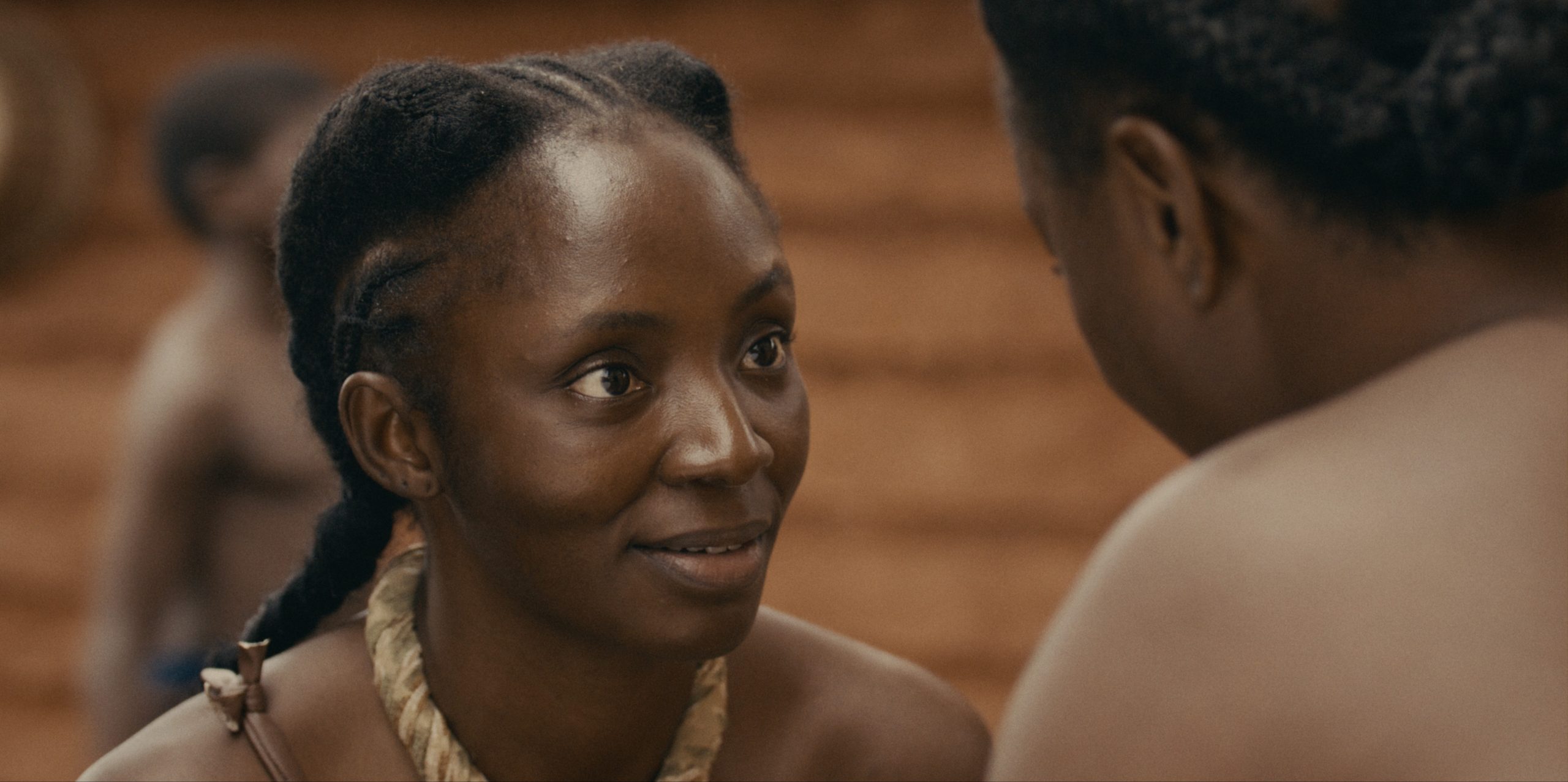
The approach started with international positioning. In May, we pitched Osamede’s selection and first screening at the Cannes Film Market to The Hollywood Reporter and secured coverage. That international media placement mattered because it signalled to Nigerian audiences that this film would receive the serious treatment typically reserved for major international productions, rather than the casual coverage often given to local-language films.
But the most crucial groundwork happened five months later in Benin City, Edo State. The October premiere brought together members of the communities where filming actually took place. Seeing residents from Fugar and Ososo in the audience created something more valuable than favorable press coverage. They saw the film in their home state, where the story takes place, before it expanded to Lagos audiences or international distributors. That sequencing created genuine ownership and community pride.
The timeline was deliberate: global validation in May at Cannes, followed by community anchoring in October in Benin City. When Osamede began expanding to audiences in the United States and the United Kingdom after these foundational moments, the story already had both international credibility and authentic local roots. The film had been claimed by the people whose culture and language it represented, which gave every subsequent marketing message substance.
We weren’t just promoting a film through standard PR tactics. We were shifting the broader narrative in Nigeria’s film industry: Nigerian-language movies deserve the same elevated communications strategy, media-relations approach, and brand positioning as English-language blockbusters. The Cannes pitch and Hollywood Reporter coverage in May proved that this elevated treatment was possible. The Benin City premiere in October proved it was real and rooted in the community.
What Actually Builds Trust in Brand Communications
Visibility introduces a brand to new audiences, but three elements determine whether people actually believe in it: tone, behaviour, and responsiveness.
Tone is the personality your brand projects in every interaction, from crisis statements to celebratory announcements. A message can be factually correct and strategically sound, but feel hollow if it doesn’t authentically match your brand’s character and values.
Behaviour is how you act when no cameras are rolling and no reporters are watching. It’s the decisions you make under pressure, the way you treat partners when negotiations get difficult, and whether your private promises match your public positioning.
Responsiveness is how quickly and thoughtfully you listen and react to feedback, criticism, or changing circumstances. It signals respect and accountability to your stakeholders and shows you’re genuinely present and reliable, not just broadcasting one-way messages.
When all three elements align consistently across your communications in Lagos, New York, or London, trust emerges naturally. Small actions accumulate over weeks and months, sometimes barely noticed by casual observers, but they create an unshakable foundation with the audiences who matter most. If any of these elements are missing or inconsistent, perception becomes fragile regardless of your marketing budget. Even a brilliant campaign backed by expensive media buying can fail because key stakeholders instinctively detect misalignment between message and behaviour.
Why Strategic Perception-Building Matters for Modern Brands
Chocolate City and Osamede succeeded not because they generated the most social media impressions or secured the biggest press coverage in a single moment. They succeeded because audiences had been strategically prepared through months of consistent storytelling and authentic engagement before, during, and after each major milestone.
When you build perception consistently through your public relations strategy, audiences don’t feel ambushed by sudden story shifts or unexpected repositioning. They feel like they’ve grown alongside your brand and understand the evolution. Your campaigns don’t need to manufacture excitement from scratch or convince skeptical stakeholders. They simply amplify what people already believe based on months of groundwork you’ve laid.
This is the essential work of modern PR and communications strategy, particularly in complex markets like Nigeria, where relationships, trust, and cultural intelligence matter as much as creative messaging. The work isn’t just creating visibility through press releases and media placements. It’s shaping the foundational perception that makes visibility meaningful and makes audiences receptive to your message when you finally step into the spotlight.
Where to Start with Your Brand’s Perception Strategy
Are you building long-term perception through consistent strategic communications, or are you just chasing short-term visibility through disconnected campaigns?
Look at your brand’s last three significant public moments. Maybe it was a product launch, a crisis response statement, or a partnership announcement. Did your tone stay consistent with your brand values across all three? Did your actual behaviour match the message you projected publicly? Did you respond to feedback and questions in ways that built trust rather than simply defending your position?
The gaps you find in that honest assessment are exactly where your perception work needs to begin.
To explore more insights or discuss how perception can shape your brand, book a consultation or contact our team today.